
What is a Sinus Lift and How Do I Know if I Need One?
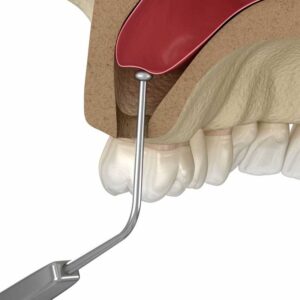 For patients thinking about dental implants, bone grafting is needed to build enough jawbone. This ensures a stable base for the implants. There are several bone grafting surgeries available. Sinus augmentation—or sinus lift—is a common procedure performed before placing implants in the upper jaw.
Oral surgeons often have to perform a sinus lift when there is insufficient bone quality in the upper jaw to properly support and stabilize dental implants. The maxillary sinuses are hollow openings behind the cheekbones and above the upper jaw. The roots of the upper teeth often extend into the maxillary sinuses. As a result, when these teeth are lost or extracted, there is very little jawbone left, which is often insufficient to support dental implants. Some individuals have naturally low sinuses, while others who have lost teeth, particularly in the back of the mouth, may experience sagging of the sinus membrane into the area where bone used to be present. Any of these conditions can hamper attempts to place dental implants without impinging on and partially or fully blocking the sinus passages.
Why Might I Need a Sinus Lift?
There are several reasons you might need a sinus lift, including:
- Previous injury to your upper jawbone.
- Bone loss due to years of missing teeth or denture wear.
- Difficult tooth extraction with bone loss.
- Any prior surgeries, including cyst or tumor removal, in the area.
- Jawbone loss due to periodontal disease.
- A congenital birth defect in the upper jaw or maxillary sinus.
- A large or low sinus cavity.
At Pasqual OMS, we will evaluate your bone density and maxillary sinuses to determine whether a sinus lift is needed before proceeding with dental implant placement.
How Does a Sinus Lift Work?
A sinus lift helps restore bone in the area, strengthening the jaw and providing a stable foundation for implant surgery. During the procedure, the sinus membrane surrounding the sinus opening is pushed up, and bone grafting material is placed in the space between the membrane and the jawbone to encourage the growth of new bone.
Think of a sinus lift as creating a solid foundation for a house. Since your upper back teeth sit right under your maxillary sinuses, there sometimes isn’t enough “ground” to hold an implant.
To fix this, we make a tiny opening in the jawbone. We gently lift the thin membrane of your sinus upward. Bone grafting material fills this new space. This material can come from your body, a donor, or a synthetic equivalent. Once the material is in place, the area is stitched closed. Over the next few months, the graft fuses to your jawbone, creating a stronger base for implants.
Timing is Everything
Whether you can receive implants at the same time as the sinus lift depends on your specific bone structure and needs.
- When there is enough existing bone, it is sometimes possible to perform the sinus lift and place the implant during a single visit.
- If the bone is very thin, the graft may need several months to mature. This ensures the implant remains stable once placed.
Why Patients Love Sinus Lifts
The best part of this procedure is that it opens doors for many patients who might otherwise have to compromise by foregoing dental implants. If you thought you were stuck with loose, uncomfortable dentures forever, a sinus lift can make it possible to get permanent, sturdy dental implants instead.
At Pasqual OMS, Dr. Pasqual performs sinus lifts under local anesthesia, so there is no pain during the process. If you are anxious or suffer from dental anxiety, we also offer oral or intravenous sedation. To learn more about how a sinus lift can contribute to your dental implant goals and help you achieve a complete, functional smile, call our office at 561-900-9080 to schedule a consultation.