
How Do Facial Fractures Affect My Teeth?
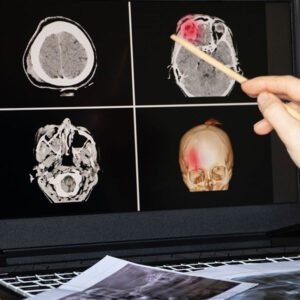 As oral and maxillofacial surgeons, we regularly treat patients who have facial trauma due to accidents, falls, sports injuries, or physical altercations. One of the most common and often overlooked consequences of these injuries is how facial fractures can directly or indirectly affect the teeth, jaw, and overall oral health.
Understanding Facial Fractures
Facial fractures refer to broken bones in any part of the face, including:
- Mandible (lower jaw)
- Maxilla (upper jaw)
- Zygomatic bones (cheekbones)
- Orbital bones (eye sockets)
- Nasal bones
Fractures in these areas can vary in severity—from small cracks to complex breaks that shift bone alignment. Because the upper and lower jaws house the roots of your teeth, any trauma to these bones can have immediate and long-term dental consequences.
How Facial Fractures Can Affect Your Teeth
1. Tooth Mobility or Loss
When a fracture occurs in the jaw, it can disrupt the tooth’s support structure. You may experience:
- Loose teeth
- Changes in your bite
- Tooth displacement
- Tooth loss due to root or bone damage
In severe cases, the trauma can sever the ligaments that hold teeth in place or cause root fractures, making tooth retention impossible without surgical intervention.
2. Damage to Tooth Roots and Nerves
Facial trauma often transmits force directly to the teeth and surrounding structures. Even if your teeth remain intact, the roots may be fractured, or the dental pulp (nerve tissue) may become inflamed or die. This can result in:
- Tooth discoloration
- Pain or sensitivity
- The need for root canal therapy or extraction
3. Malocclusion (Misaligned Bite)
When the mandible or maxilla is fractured, it can heal in a misaligned position if not properly treated and aligned. This can cause:
- Difficulty chewing or speaking
- Jaw joint pain (TMJ disorder)
- Uneven tooth wear
- Long-term bite problems requiring orthodontic or surgical correction
4. Delayed Tooth Eruption in Children
In pediatric patients, facial fractures can affect the development and eruption of permanent teeth. If the fracture disrupts the tooth bud (the early form of a developing tooth), it may:
- Delay tooth eruption
- Cause the tooth to come in crooked or not at all
- Lead to complications that require surgical exposure or orthodontic guidance
Diagnosing Dental Effects of Facial Fractures
Advanced imaging—such as 3D CT scans—is often necessary to assess the full extent of injury to both the facial bones and the teeth. At Pasqual OMS, we use these scans to evaluate:
- Fracture alignment
- Tooth and root positioning
- Soft tissue damage
- Potential nerve damage
Early diagnosis and accurate imaging are critical for planning an effective, coordinated surgical and, if needed, dental and orthodontic plan.
Treatment Approaches
Treatment will depend on the location, severity, and extent of the fracture, as well as the degree of dental involvement. It may include:
- Surgical repair of the fractured bones, often with titanium plates and screws
- Stabilization of displaced teeth with splints or bonding
- Root canal therapy or extractions for damaged teeth
- Dental implants or bridges to replace missing teeth
- Orthognathic surgery if long-term bite correction is needed
A multidisciplinary approach involving our office, a restorative dentist, and an orthodontist may be needed to ensure the best functional and cosmetic outcomes. We welcome the opportunity to collaborate with your dentist and orthodontist as necessary to provide you with a seamless and quick recovery.
When to Seek Help
If you’ve experienced facial trauma and notice any of the following, you should see an oral surgeon immediately:
- Loose or missing teeth
- Pain when biting or chewing
- A noticeable shift in your bite
- Facial swelling or bruising near the jaw or cheekbones
- Numbness or tingling in your lips or chin
Even if the teeth appear to be intact, internal damage can develop over time and lead to complications if left untreated.
Facial fractures do more than affect your appearance—they can seriously impact your dental health and quality of life. Our role is not only to repair the facial bones but also to ensure that your teeth and bite function properly. Prompt evaluation, accurate imaging, and collaborative treatment are essential for a full recovery.
If you’ve suffered facial trauma, immediate evaluation is best. The sooner we intervene, the better the chance of saving your teeth and restoring your smile. Contact us today at 561-900-9080 to schedule a consultation. In some situations, we can see you the same day.